The Rich History of Bibimbap: Harmony in a Bowl
By Chorong House Culinary Team • March 2026
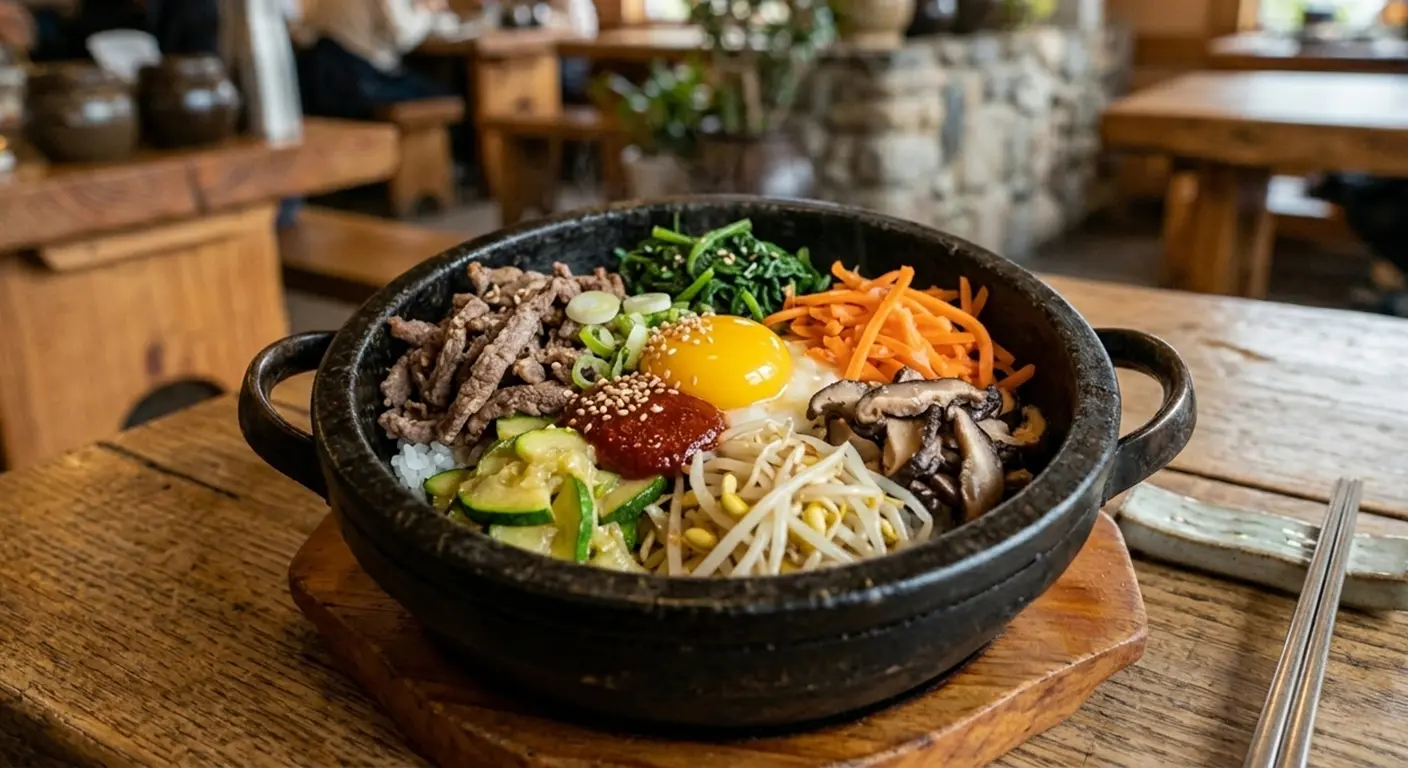
If you have ever ordered Bibimbap at Chorong House, you know it is a feast for the eyes before it even touches your palate. The word "Bibimbap" literally translates to "mixed rice" (bibim meaning mixing and bap meaning rice). But this humble name belies a history that is as complex and colorful as the ingredients themselves.
The Royal Origins and Folk Legends
There are several theories regarding the birth of Bibimbap. One popular legend suggests it was a royal dish served during the Joseon Dynasty. It was said to be a "Goldongban," a rice dish made by mixing various leftovers and served to the king as a light meal or a snack. The presentation had to be immaculate, representing the harmony of the kingdom.
Another theory is rooted in agrarian tradition. During the busy farming seasons, it was difficult for workers to have a formal sit-down meal. Mixing rice with various vegetables and side dishes in a single bowl allowed them to eat quickly in the fields while still receiving the nutrition they needed to power through their labor. Regardless of its exact origin, Bibimbap has always been a dish about efficiency, balance, and the clever use of seasonal ingredients.
The Symbolism of Five Colors
A truly authentic Bibimbap follows the traditional Korean aesthetic principle known as Obangsaek. This principle dictates that a meal should incorporate five colors, each representing a different cardinal direction and an element of life:
- Green: Represents the East and wood (usually spinach or zucchini).
- Red: Represents the South and fire (Gochujang chili paste or carrots).
- White: Represents the West and metal (the rice itself or bean sprouts).
- Black/Dark: Represents the North and water (shiitake mushrooms or seasoned seaweed).
- Yellow: Represents the Center and earth (the egg yolk).
When these colors are combined in one bowl, they symbolize a wish for health, balance, and prosperity for the person eating it. At Chorong House, we take great care to maintain this visual and nutritional balance in every bowl we serve.
The Evolution: Dolsot Bibimbap
While traditional Bibimbap is served in a regular bowl, the Dolsot Bibimbap is a popular modern evolution. "Dolsot" refers to the heavy stone bowl that is heated until it is sizzling hot. Before the rice is added, the bowl is coated with sesame oil. As you eat, the rice at the bottom becomes golden and crispy—a texture highly prized by connoisseurs called nurungji.
This variation transformed the dish from a simple lunch into a sensory experience involving sound (the sizzle), smell (the toasted sesame), and touch (the warmth of the stone). It remains one of the most requested items at our restaurant in Syracuse.
Bibimbap in the Modern World
In the late 20th century, Bibimbap achieved international fame, even becoming a staple on airline menus. It is often cited as a perfect example of a healthy "balanced diet" because it contains the perfect ratio of carbohydrates, proteins, and fibers. In a world of processed fast food, Bibimbap stands out as a fresh, customizable, and honest meal.
Conclusion
Bibimbap is more than just a recipe; it is a philosophy in a bowl. It teaches us that disparate elements—bitter greens, spicy peppers, savory meats, and plain rice—can come together to create something much greater than the sum of its parts. We invite you to experience this harmony for yourself at Chorong House. Don't forget to mix it well!